Tragedy - A True Crime Podcast
We are dedicated to sharing the stories of the victims and families that have experienced tragic losses or events. We want their stories heard by as many people as possible so as to never forget them and what they meant to the people in their lives.
If you have questions about an episode or would like us to consider a new case, please contact us through Facebook or email us at tragedyatruecrimepodcast@gmail.com
Tragedy - A True Crime Podcast
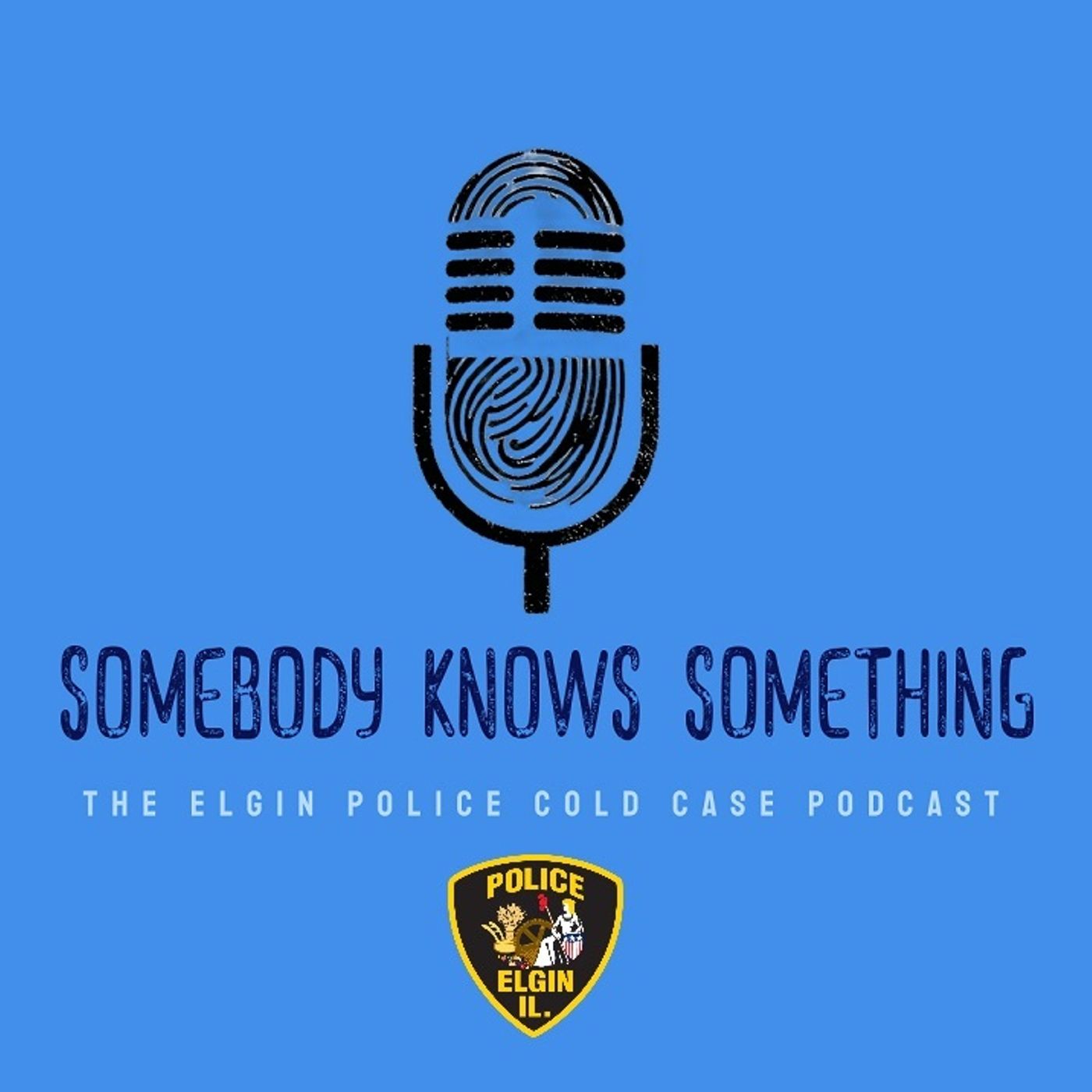
S2E54 - BONUS! Beyond the Badge: How Elgin Police Are Giving Cold Cases a New Voice
Use Left/Right to seek, Home/End to jump to start or end. Hold shift to jump forward or backward.
In this episode of Tragedy, a True Crime Podcast, we sit down with members of the Elgin Police Department in Illinois to explore how their Cold Case Unit is using podcasting to breathe new life into unsolved investigations.
We discuss the creation of their podcast, Somebody Knows Something, an innovative initiative designed to bring renewed attention to cold cases, encourage the public to come forward with information, and generate new investigative leads.
The conversation goes beyond solving crimes as we explore the podcast's success in gathering information, strengthening relationships with the community, and building trust between law enforcement and the people they serve.
Through storytelling, transparency, and community engagement, the Elgin Police Department demonstrates how podcasting can become a powerful investigative tool while ensuring victims and their stories are never forgotten.
Join us for a compelling conversation about innovation in law enforcement, the importance of community partnerships, and how giving cold cases a voice can help bring investigators one step closer to finding answers.
Because sometimes, somebody really does know something.
Music License - FGCWQHWSKOR7VJXB
Thank you for listening.
Please visit us at www.tragedyatruecrimepodcast.com
In Tragedy, a true crime podcast, we discuss missing persons' cases, violent crime, and other sensitive topics that may be difficult for some listeners. Listener discretion is advised. Our show is a place where every story matters and every voice deserves to be heard. To support this podcast, you can subscribe at www.tragedy a true crime podcast.com for early access to new episodes. And join our Facebook community, Tragedy, a True Crime Podcast, for updates, discussions, and ways to support the families we feature. Welcome to Tragedy, a True Crime Podcast. I'm Elisa.
SPEAKER_01And I'm Michael.
SPEAKER_00Today we're excited to welcome two detectives from the Elgin Police Department in Illinois who are taking an innovative approach to cold case investigations, using the power of podcasting to engage their community, generate new leads, and work toward answers for families who have waited far too long. Detective Andrew Houghton has served in law enforcement since 2007 and joined the Elgin Police Department in 2012. He is a lead homicide investigator and currently serves as the senior detective of the department's Cold Case Unit. Since joining the unit in 2024, he has been investigating the 1983 disappearance of Karen Sheepers. Joining him is Detective Chris Hall, who has served with the Elgin Police Department since 2016. His experience includes patrol, tactical operations, and SWAT. He became a detective in 2024 and joined the Cold Case Unit in 2025, where he also serves as a lead homicide investigator. Together, they co-host Somebody Knows Something, the Elgin Police Cold Case Podcast, a podcast that does much more than tell the stories of unsolved cases. It creates an opportunity for law enforcement to reach beyond traditional investigative methods, connect directly with the community, and encourage people who may hold valuable information to come forward. What makes this initiative so important is the recognition that answers don't always come from inside a police department. Sometimes they come from a neighbor, a former friend, or someone who has carried a piece of information for decades. By using a podcast to reach these individuals, the Elgin Cold Case Unit is creating new opportunities to move investigations forward and ultimately bring answers to families. Today we're talking about how this initiative began, the role of community partnerships in cold case investigations, and what other law enforcement agencies might learn from their approach. Detectives Houghton and Hall, thank you for being here and welcome to the show.
SPEAKER_03Thanks for having us. Thank you very much.
SPEAKER_00Before we get into the podcast and the work you are doing to engage the community, we'd love to hear a little bit about the Elgin Police Department's Cold Case Unit.
SPEAKER_03Sure. So um I'm Detective Houghton and I was the initial officer that started in the unit when it began. Basically, our chief of police, her name is Anna Lally. She became our chief back in 2018. And she was a supervisor in our investigations division. She was in our drug unit for a while and some other different uh aspects of the police department. And when she became chief, she started talking about having an issue with the fact that we were not looking at these cold cases in a full-time status, like on a full-time basis. And so she had talked about it prior to becoming chief. And when she does interviews and stuff, she'll say, like, I was always told, well, we're not going to do that, you know, because of X, Y, and Z. And she said, when I became the chief, I get to make that decision. So she made the decision that what she wanted to do was look at these cases on a full-time basis. It was kind of a multi, multi-month, multi-step process. We looked at different agencies around the country, how they were doing things. I met with law enforcement in Scotland. So I traveled to Scotland and met with their cold case homicide unit. I spent a month over there with different people with Police Scotland. She met with a PERF, which is a national organization for police organizations. We looked at Chicago Police Department. We looked at Los Angeles Police Department, different large agencies, how they handle stuff. And then she created a bunch of uh SOPs or like standing orders for us on how we were going to create the unit. And in May of 2024, she launched the unit and I joined as the first full-time detective from our investigations division. Another detective named Matt Vartanian, who is now our supervisor, was working part-time with me. And that's kind of how the unit began. We sort of started out out of an office and a cubicle, and now we've slowly transitioned over to having our own space and kind of growing the unit over the last, you know, two and a half years.
SPEAKER_00And what are some challenges that you have faced as you've dug into these cold cases?
SPEAKER_02There's tons of challenges that, you know, it's it kind of starts with locating the physical case file for one. You know, not every case file can be accounted for be based upon, you know, we we used to be in a different building altogether many, many years ago. And through the transition of one building to the new building, you know, some case files get lost. And it's like we weren't even police officers when that happened. And we try to track down who was still working when that happened and you know, where where are they? And luckily, all of our current cases, which is we're close to about 50 cold cases altogether, spanning our four different criteria, all of those cases have been digitized, which is a huge help for us. But, you know, you're talking going back, you know, 50 plus years, looking at different people's penmanship, writing styles, uh, personal notes that the detectives and investigators took down, um, trying to read through it, decipher it, and just looking at different the different methods that they had used, you know, photography, you know, nowadays we're lucky with body cams and evidence call outs, you know, every part of a crime scene is gonna be photographed. You're you're gonna have thousands of photos. Every inch, every square inch of that crime scene is gonna be documented, digitized, and in in video format. You know, back in the 70s, we had none of that except Polaroids. And you're lucky if you get 10 Polaroids for a crime scene, and it's like, all right, let's make the best, let's let's try to figure out what this even looked like to begin with. So it just you you try not to money corner Monday morning quarterback, how police work was done 50 years ago, but you you kind of have to do the best with the materials that you have.
SPEAKER_01You mentioned this four levels of criteria. Can you describe what that is?
SPEAKER_03So we our SOP's work is we have four different sets of criteria for us to take a cold case. But the first set factor is that it has to be at least three years old. That's our our time frame cutoff. And then the four categories we have are homicides, long-term missing persons, sexual assaults, and unidentified human remains. So for us, we currently have 43 homicide cases that go from 1969 to 19 to 2021. Um, we have five long-term missing people right now that span from 82 until uh three years ago. So I think it's 2024, 2023, I think is our most recent case. And then we have 27 sex assaults that go back to 2002. We have no unidentified human remains right now, but if we were to have a case like that, that would come under our caseload.
SPEAKER_00Well, I had the pleasure of meeting both of you at Crime Story Fest in Boston last month, which was incredible. You know, I was I watched your presentation and I know you saw me in the back, like raising my hands, like, yes, say more. This is exactly what we need. Uh, and so I would really like for you to talk about how did the podcast become a valuable part of your cold case investigations?
SPEAKER_02Going along with the the creation of this unit, Chief Lally, she said, you know, I'm gonna think outside the box in addition to this unit, and we're gonna do a podcast. And it's, you know, you mentioned the word podcast and law enforcement. And the first reaction to that some of us have are is like, you know, wait, we're gonna be recording live what we're doing. You know, like we law enforcement, we keep stuff close to the chest as far as an investigation goes. Like, this is we're talking about case-sensitive material, or you know, this is stuff that we only want law enforcement or no. But she she really pushed us, just said, no, we're gonna get the word out in the digital world and the Spotify world, wherever you get your podcasts, and these cases are gonna be brought back to light because you have no idea who's out there listening that may need just that word or that that phrase and that name said again and if you know, and unlock something that is a core memory of them, a core memory of theirs that they're willing to share now. Because, you know, 50, 40 plus years ago, if you were somebody that was a witness to a homicide or you knew something that somebody had told you, or any intimate piece of knowledge that you have, but you were afraid to bring forth the law enforcement, that's the type of listener that we're trying to reach. And in addition to that, we're trying to humanize these victims because to anybody that's not related to them, it's just, oh, it's just another name, it's just another horrible crime, it's just a horrible you know, set of circumstances. That's really sad. Let me just tune in and you know, be entertained by this horrible tragedy that happened. No, what we do is we are trying to get the word out in this case to unlock that that hidden tip that may be out there, and then also humanizing who that person was. And it's an honor to them, it's not it's not to us to memorialize them and their families and their friends to know that we have not forgotten about them either. Law enforcement has not forgotten about that victim. And we are gonna do everything that we can in our power to push this further because somewhere along the line it it it got dropped, right? So that's our mission.
SPEAKER_03Yeah, and I when the chief came to us initially, it was myself and Matt Bartani and and said, this is what I want to do, we were a little bit resistant to it. I mean, it was not something that I had thought of doing and that he had thought of doing, it was something that she challenged us to do. And, you know, she basically sat down with us and said, Look, I think this is a good way for us to get these stories out there, and I think it's a way for us to try to generate new interest in these cases and tips in these cases. And when we took a step back and thought about it in that way, I can remember us having a conversation about like, you know, you used to put pictures of people on milk cartons when they went missing, you know, or then you just yeah, you did flyers on telephone poles, you did billboards. So this is just another digital extension of that same idea, and it's just another way to reach more people. So, like, we could put a billboard up along Interstate 90 here between us and Chicago, and thousands of people drive by it every day and would see it, but that doesn't mean it's gonna generate the same type of interest or leads that a podcast does. And I think one really positive thing that came from it was that we got a lot of media attention because we were doing this, which generated more people going and listening to the podcast, which generated more people providing us tips. So it was because it was a unique experience and unique idea, people took notice of that, and that actually helped us generate more interest in our cases.
SPEAKER_01How well do you think it's worked on generating leads that have created actionable events inside your cases?
SPEAKER_02It's it's been tremendously productive. We had to date, we've had over a hundred tips, I would say, and counting. And I would say a major the vast majority of those tips come through via email. Um, but we've had people come in off the street into the station wanting to talk to us, reference a case or reference something that they've never told law enforcement in their entire lives. So it's it's definitely it's it's been very fruitful.
SPEAKER_03Yes, not every tip is obviously some actionable tip, but a lot of them also give us just additional information about different people, or we learn about offenders in our area that we didn't know about before. Or we've also gotten tips from people because they've seen us in local media here talking about our cold case unit for other agencies. We've had multiple tips that have come in to us saying, I have information about this case. Are you guys working this case? And we're like, we are not. However, we can put you in contact with this agency that that does have that case and provide that information to them. So that's another positive aspect that comes from it, I think, at least for for us and just for regionally speaking as well.
SPEAKER_00Something I heard when I listened to season one um is about getting this word out to people who don't live in the community anymore, who may have some information. You talked about the, you know, the milk carton and the posters that we see in Walmart, and those are great for the people who are still living in that community. So can you tell us more about how this has been able to access people that you've, you know, been looking for who maybe are no longer part of the community anymore?
SPEAKER_02I mean, we know that people in Elgin, some people some people live their whole lives, you know, in this city. They never move on, and it's just it's a generational stance. Like I'm I'm lived born and raised in Elgin, I'm never gonna leave Elgin. But like through the course of our investigations, but a lot of people have over the years, they've dispersed. We've had people, you know, move entire parts of the different country. And it's just like it's we don't want to just reach Elgin because we can do that any day of the week. We can go out and do a neighborhood canvas and you know, go 10 blocks up in any direction from the scene of a homicide that happened 50 years ago. And there's there's a good chance that we'll reach, you know, you know, old Bethany living down the street that's lived there ever since the homicide happened, right? And like, oh yeah, I remember you talking to me. But, you know, there's a lot of people out there that we're trying to reach that they've moved out of Elgin or they're hiding, and you know, they're trying to lay low. And that that's again, I back to my point I was trying to make earlier. We're trying to reach that person that that knows something that is potentially not even in Illinois anymore. We're trying to reach anybody and anyone that knows any even the smallest bit of information. You have no idea how valuable that might be, because it's not in our case file.
SPEAKER_03Yeah, when our first season, we had Karen Sheebers was the first case we worked during our first season. And when we resolved that case, there was a lot of media attention to that case, largely in part because we had done local media because of the podcast. So we had a lot more media attention once that case was being resolved. And while it wasn't a listener to the podcast that reached out to us about that, it was partially because of the podcast that we had so much media attention. And a woman from Ohio reached out to us and gave us a lot of information that we did not have before that we talk about in season one, um, that she had actually seen Karen before she left and had talked to her prior to her leaving. Our third season, right now, deals with a woman named Winteria Jones who went missing in our town in 1982. And there's some connections to Texas with her case, and we've gotten messages and information from people in Texas that have listened to the podcast saying, hey, I live in the same area of Raymondville, Texas, where this hotel was. Like, please let us know if there's other information we can try to help you get, or we can put you in contact with people down here that may have knowledge of the hotel, things like that. So we have gotten tips either on you know actual message boards for the podcast or via email or via phone or via people walking into the station because the podcast exists, or because they've listened to the podcast.
SPEAKER_00And we have a lot of similarities there in that you know, we have supported families across the United States and and I use social media to leverage those communities. We're currently supporting a family out of Portland, Oregon. And so I have accessed all the Facebook groups in Portland, Oregon, so that at least the local community is getting that information and listening to our episodes. So we hear that as far as you know, trying to access the local community because you never know. You you never know who's going to give you that one piece of information that may help families to get some answers.
SPEAKER_03Yeah, and with Karen's case, um, especially like for the first season, we we went out to Sycamore where she was from, and we put flyers up in like coffee shops and different places like that for the podcast when it came out. We went up to Carpentersville, which is where the bar was that she left, did kind of the same thing. We put it on our social media. So we tried to reach out just regionally, you know, to other places like, hey, she's from Sycamore. Um she was living this this happened in Carpentersville, she lived in Elgin. Um, and then seeing, you know, local and regional media having us come on and talk about the podcast, we would see more tips and more listeners when those things would happen. So that was, I think, helpful for us.
SPEAKER_00I want to talk some about the connection that you have made with the families that you are serving and how important that is and how that shows your department's commitment to to their loved ones.
SPEAKER_02Overwhelmingly, it's been very positive. We understand that how difficult it is to rehash everything that happened, you know, decades and decades later. And it it's just as painful as it was the day it happened 50 years later. And so we are acknowledging all of that pain that they've gone through. And we we can't make any promises. We'll never make a promise that this will be solved no matter what. But the promise that we can make is that we are going to honor that loved one, that victim, and we are gonna work it as far as we can push this case, no matter what. And that's that's that's the dedication that we all we all promise these these families. And I mean, you form a bond with the family member when when you make a connection with them. I mean, I've I've had phone calls with one of my my victims' daughters, phone calls that go for hours, because it's just like we formed that type of that friendship, that that working friendship, you know, she knows that I'm working on her mom's case, no matter what I do. Overwhelming, it's been a very positive experience. There's only been a few times where we've had some pushback from family members, but on some cases, but we we say, you know, I understand your frustration, I understand the hurt you've gone you've gone through. We are not gonna stop working your loved ones' case just because you were maybe upset with past practices with with our law enforcement agency. You know, we're we're not we're never not gonna work a case because a family member doesn't want us doing X, Y, and Z. But again, overwhelmingly, it's been very positive with families.
SPEAKER_03Yeah, it's been a different experience, I think, from working, you know, normal, day-to-day, active investigations, even active homicide investigations, that we'd probably give more information to the families than we would under those normal circumstances because in some of these cases they're 40 and 50 years old and they just kind of want to know what's going on. So we try to give them as much as we can within reason. But you do sort of blur the lines between talking with these family members on such a regular basis that you sort of become very friendly with them. And I think all of our victims in the cases we're working right now, you know, they have our direct work cell phone numbers, and we basically will tell them, you know, call us or text us anytime if something comes up, just let us know. And we try to answer. Like, you know, Chris has had conversations with one of our victims' daughters, you know, at eight, nine, ten o'clock at night, they call because something came up and they want to talk to you about it. And, you know, you sit downstairs at your house and talk to them for two hours because that's what they want to do. And that builds a lot of good trust between them. I know when we started with Karen's case, we had reached out to one of her siblings because her mom was 90 years old, she's still alive, she's 91, and we had said, hey, we'd like to look at this case, but we're not gonna call her out of the blue and talk to her about this. We reached out to one of the siblings instead. And after the case resolved, he told me that he almost hung up the phone on us. They had had very negative interactions with law enforcement over three different, four almost four different iterations of the investigation, and they were kind of fed up with, here we go again, you know. But his mother wanted to do it. She said, No, if there's a way that we can try to resolve this case, I don't care, I'm gonna do it again. But we had to sit down and kind of rebuild that trust with them. We sat down with two of the siblings and Karen's mother. They came to the police department and we did like a three-hour interview with them the first time we met them in person. And the one brother was very resistant to even being there. And when we walked out, he came up to us and said, This feels different. Like I feel differently about this because it was a very prepared, very structured. We sat down, like we were very cognizant of the fact that we have to really rebuild this trust or this is gonna go nowhere. And a lot of times, unfortunately, the people in these cases have had negative interactions with law enforcement, and we just have to kind of eat that. We have to accept the fact that there were mistakes that were made and there were things that could have been handled differently, and we have to move past that and try to rebuild that with them.
SPEAKER_01I think I know the answer to this, but I still want to ask it. Um, how do you think the podcast that you guys put together has really impacted the trust level with the community overall when it comes to talking to law enforcement?
SPEAKER_02You know, with the amount of chips that we've gotten already, we get people all the time that, you know, we we see these we do a lot of speaking events as, you know, we were just at Christmas tree in Boston. And, you know, not just across state lines, but like we do a lot of local speaking events as well. And it's like the word is out on the podcast, the word is out in the Hales Police Department as far as the work that we're doing. It's it's tremendously positive, like the feedback that we get. I get people all the time even asking my own police department, we're like, when's that season coming out? Because I can't wait to listen to it. So it's it's it's nice to get we get a little bit of pushback from some people than our our you know agency that you know, I don't know if it's a little bit of a little jealousy issue or if they, you know, I really wish I could do what you do, so I'm gonna give you crap for. But overall, we get a lot of support within our own agency as well. And just people like tuning into the podcast because it's it is it's kind of a cutting edge thing. I mean, we we've gone to other law enforcement um trainings for that are cold case specific this year in the past, and it's like through our networking, we are one of the only uh active law enforcement agencies at with a podcast attached to the work that's out there. I mean, there's there's other cold case units out there in the world, but when you attach that podcast as a vehicle to your investigation, that's that's kind of a it's a very niche type of thing that has been pointed out to us. It's like you guys do that too. It's like, no, no one else is doing that but you guys. So it's it's overall very positive from within the law enforcement community and in the public as well.
SPEAKER_03Our chief's really big on transparency, so I think she she saw it as a vehicle for us to put out information and also be transparent about the fact that hey, these cases are still here, and there probably were things we could have done better or that we made mistakes on. And like, kind of like I said before, she basically told us, like, we're gonna have to go out there and then eat it and say, hey, we may have screwed this thing up, but we're gonna try to rectify that. And I oftentimes I think agencies are reluctant to review cold cases because they may have to do that. They may have to publicly admit that there were shortcomings or mistakes made. And refusing to do that and doubling down on that is gonna push the community away. They're gonna have less trust in law enforcement when you do that. In reverse, I think what we're trying to do is say, we're willing to do that. We're willing to look at these cases, we're willing to admit that there were shortcomings or mistakes made or things that could have been done better, and we're willing to try to work past that with the community to resolve those cases, or at least try to resolve those cases. And that I think builds credibility as well with the families we're talking to, with the the victims we're families we're dealing with, things like that.
SPEAKER_00Something else that I know is part of the cold case department is a transparency page. I've heard you talk about it on the podcast. Can you tell us more about that transparency page and what people would see on that?
SPEAKER_03So it's department-wide. It has a lot of our different uh crime stats, things like that. Initially, when we started the podcast and we started the unit, all of our cold case information also was housed on that page. It is still housed there, but we quickly found that we needed a better location for cold case-specific items. So that's why we launched a cold case-specific website in 2025. So we, while the transparency hub has all of our SOPs on it, it has information about all of our different units on it, it has crime statistics for the city on it, it has information about internal investigations and things like that on there. Our cold case unit is listed there still, but we now have our Elgin Cold Cases, uh, Elgin Coldcases.com website where all of our same information is listed as well.
SPEAKER_00Something that is always part of our process when we support a new family is reaching out to local law enforcement, letting them know that we are doing a podcast, talking to families, telling them a little bit about what our podcast looks like, and asking them if they would like to be involved or put out a statement, something of that nature. And I would say we have about we're getting better with the response that we're getting from local law enforcement. I would just love to hear maybe some tips or some ideas that you would have for us as we continue to uh try to establish partnerships with law enforcement.
SPEAKER_02I think as long as you preface it with, you know, I understand that you're the agency that's investigating this case. I understand that there's certain things that you are not obligated or able to release because it's case-sensitive information, but just know that we are we are here to partner with you and assist you in any way that we can. And I I think it's just it it kind of becomes especially like with a cold case missing person, a missing person's cold case is by far the most uh your back is up against the wall because you're trying to find this person if time is definitely not on your side, as well as living witnesses, living relatives, living acquaintances, like that's those are all things that are stacked against you. And I think uh if you do not have a podcast such such as ours and you're a law enforcement agency, you can use all the help you can get from the public with getting the word out, and just just like you guys are doing. Like that's the more uh the more the wider the net you can you can cast out with getting the word on this case, the better. Because if you are uh only isolated to your immediate area, you're only gonna get so much cooperation from your general vicinity, right? And that's it's again, if you're in a like you stated earlier, if you're in a smaller geographical area, you're only gonna get so many people listening, uh, you know, if you're doing a door-to-door neighborhood canvas or you're you're having a speaking event, like but if you're able to reach a whole region with uh a podcast or some type of uh additional you know vehicle to to get more listeners, uh it's just you're you're you're gonna uh your probabilities are gonna skyrocket, right? So it's like uh as long as you can communicate to that agency like, hey, we're here to help you, we're here to partner with you in any way that we can. If there is something that you would like us to put out with your blessing, within, you know, you can we can publish something that your legal department says, yeah, it's okay to, you know, to put this out there because this is this is all we can do at this point. I think that's that'd be very beneficial because you know, in the law enforcement world, there's some agencies, not it, not one, not two agencies are always gonna be the same. They're gonna have their different policies, their different state laws, their different, you know, practices, and and some are very close to the just. Some are very we are not gonna share anything with anyone unless you are behind these walls and you have a badge, right? That's not the eligible police department. That's just not how we are, but I can't, we can't force other agencies to act that way. We can only advocate for the success that we've had with partnering with community members, with family members. And I I think it's just that's that's the best advice that I have.
SPEAKER_03We've really tried to advocate too when we go to speaking events or to training events with law enforcement or people in the community that I think that agencies are missing an opportunity if they don't use media in an intelligent way. Now that doesn't mean you have to use every single type of media or you don't have to say yes to every single interview. But if you can vet an organization that you are comfortable using and then use that regional media, podcast media, whatever the case may be, to help further your investigation, you should be looking to try to do that. For us, I mean, we've mostly said no to, or we have almost not said no to anybody. We've gone out and done interviews with pretty much anybody that asks us to do interviews within reason. And I think that we've advocated for people to also use other groups. So, like using a podcast, if you can vet it and say, okay, we can kind of control what we're gonna put out, we're gonna control what our statements are gonna be through this podcast, and we trust them. I think that agencies should consider doing that. Just like we had used a group called Chaos Divers in our first case with Karen Sheepers, they were a YouTube group that's a not they've now founded a nonprofit, but they come out for law enforcement and for families to help look for missing people in bodies of water for free. And the way they were generating their money was through donations and through YouTube. A lot of agencies might look at that and say, well, that's some YouTube people, we're not gonna use them. And they've had that experience with a lot of different law enforcement agencies around the country. But they were instrumental to us being able to do what we were able to do on that case. And to just say, nope, some podcast called us, we're not gonna talk to them, or some group reached out to us, we're not gonna talk to them. I think you need to do a little bit more homework before you make that decision. The decision may still be, we're not gonna do that. But take the time to consider if it is something that you can use as a tool in your toolbox to further your own case.
SPEAKER_00I do want to say that um when it comes to season one and Karen Sheepers, that particular instance that you're talking about with Chaos Divers, I I've listened to it several times. I I still every single time I know what's about to happen, but it's still so incredible. Um, and I'll go back and listen to that over and over again, that piece right there.
SPEAKER_03It was an emotional experience, I think, for you know, everybody involved that were on the boat and with the family.
SPEAKER_00One thing that I think we're coming against that I guess I I didn't really anticipate, and I'm a big consumer of true crime, is this negative nature of this true crime community. And so, in a sense, after listening to what you're talking about, I can hear how law enforcements may be like, oh, a true crime podcast, because a majority, I think that's a fair word to use, of things that are out there that claim to be true crime podcasts are salacious, um say saying things that aren't true, don't really do their research. And and so, in a sense, I I see, I see what you're saying. And you know, not everybody is is here for a podcast, or do they they just have an assumption? Um, and so that I think that betting process is is really important. And I just I don't know how how that would happen. How does that happen of a vetting process from your perspective?
SPEAKER_03I think like for us with chaos divers, we kind of looked at who they were. We we asked them a bunch of questions like who else have you worked with, what other agencies have you worked with? Um, if we need to, we would reach out to those other agencies. You know, what was your experience when you worked with this group? And so we've encouraged other law enforcement agencies to do the same thing with them, and we've given them glowing reviews because they were fantastic to work with. Um, we had Cook County Sheriff's Department reach out to us about them because they were considering using them last year, and they ultimately did end up using them for a number of different uh searches, partially because they vetted, they did the same thing. They vetted it out and they said, Yeah, this is something that we can use. And they were a forward-thinking enough agency to also do the same thing and use that resource. So I think it's just asking those questions, meeting with those people, maybe you have to listen to some of the episodes of that person's podcast and see what they're all about. Or if you have a legal department, maybe you have to sign some sort of legal agreement with with them about what information you're gonna put out there. But most larger agencies, especially, have a PIO, like a public information officer that is that's kind of their job. You know, I mean, if WGN up here in Chicago or CNN calls your department, if your answer to them every time is, yeah, we have no comment, that's not gonna build a lot of trust in the community. And if the same thing is happening with these other medias that are now becoming as popular or more popular than some of that legacy media is, I think you're missing an opportunity to use that media to your advantage.
SPEAKER_00Well, we just want to, again, thank you for taking time um to come on the show and sharing. I've learned a lot and I have some good next steps, I think, to support us to be able to continue to do this. And we thank you so much for the work you're doing to advocate for your family and to keep your community safe.
SPEAKER_03We appreciate it. Thank you so much, guys.
SPEAKER_00You've been listening to Tragedy, a true crime podcast. Our purpose is to honor victims by sharing their stories through the voices of friends, family, and those whose lives were forever changed. If today's episode resonated with you, we encourage you to subscribe, leave a review, and share the podcast so these important stories continue to be heard. Together, we can preserve their memories and ensure their voices are never forgotten. If you have ideas for cases we should cover or questions about what you heard, you can connect with us through our Facebook group, Tragedy a True Crime Podcast, on X at Tragedy Podcast, by email at Tragedy a True Crime Podcast at gmail.com, or by visiting our website www.tragedyatrucrime podcast.com. Thank you for listening, and we hope you'll join us next time.
Podcasts we love
Check out these other fine podcasts recommended by us, not an algorithm.
The Consult: Real FBI Profilers
PodcastOne
True Crime Bullsh**: The Israel Keyes Investigation
Studio BOTH/AND
Down & Away
Jeni Decker
Never A Truer Word
Jack Fox
Missing Persons
AbJack Entertainment
Grief Is Not A Dirty Word
Nick Gaylord